Shilajit is a natural phytocomplex supplement, containing fulvic acid and essential minerals that support mitochondrial energy production, promote healthy testosterone levels, and provide antioxidant protection.
Shilajit has been used in Ayurvedic medicine for centuries, helping establish its recognition and popularity as a dietary supplement worldwide.
This article reviews the evidence on shilajit’s potential benefits, outlines reported side effects, and discusses safety considerations to provide a clear understanding of its role as a supplement.

Table of Contents
- 1. May Increase Testosterone in Men
- 2. May Enhance Male Fertility & Sexual Function
- 3. May Help With Erectile Dysfunction
- 4. May Support Female Sexual Function
- 5. May Improve Skin Health
- 6. May Support Bone Health
- 7. May Support Muscle Strength & Connective Tissue Health
- 8. May Support Heart Health
- 9. May Support Healthy Blood Sugar Levels
- 10. May Improve Energy Levels and Reduce Fatigue
- 11. May Support Cognitive Health and Neuroprotection
- 12. May Have Anti-Inflammatory and Pain-Relieving Effects
- 13. May Aid Digestive Health and Ulcer Recovery
- 14. May Help with Chronic Fatigue Syndrome
- 15. May Support Stress Management and Adaptogenic Effects
- 16. May Provide Anti-Aging Effects
- 17. May Support the Immune System
- 18. May Have Antiviral Properties
- 19. May Have Antimicrobial Properties
- 20. May Support Iron Levels and Help with Anemia
- 21. May Have Anticancer Potential
- 22. May Help with Altitude Sickness
- Common Questions About Shilajit
- Side Effects of Consuming Shilajit
- Safety Concerns of Consuming Shilajit
Potential Health Benefits of Shilajit, Backed by Studies
-
May Increase Testosterone in Men
Testosterone is the principal male sex hormone, responsible for libido, fertility, muscle development, and overall vitality. Maintaining healthy levels is essential for male reproductive and physical health. Shilajit shows potential for supporting testosterone production, based on limited human studies.
Shilajit increases testosterone in healthy men (randomized, double-blind, placebo-controlled trial). In a study of 75 healthy men aged 45–55, 250 mg twice daily for 90 days increased total testosterone by 20%, free testosterone by 19%, and DHEAS by 31% compared to placebo, with stable gonadotropic hormones (Pandit et al., 2016).
Shilajit increases testosterone, sperm count, and motility in men with oligospermia (open-label study). In a study of 35 men with low sperm count, 100 mg twice daily for 90 days increased serum testosterone by 23.5%, sperm count by 61.4%, and motility by 12–17%, with stable liver and kidney function (Biswas et al., 2010).
These findings align with Ayurveda’s traditional use of shilajit for vitality, though studied with purified extracts. However, these results are from small studies with limitations, including no blinding in one and funding by a shilajit producer in the other. Raw shilajit may contain heavy metals like lead and arsenic; use only purified, third-party tested products. Robust, placebo-controlled human trials are needed, and shilajit should not be used to treat low testosterone without medical guidance.
May Enhance Male Fertility & Sexual Function
Male fertility depends on sperm count, motility, morphology, and overall semen quality. Factors such as oxidative stress and hormonal imbalance are major contributors to reduced sperm function, a condition known as oligospermia. Improving these parameters is central to reproductive health.
The same open-label clinical trial published in Andrologia (2010) that reported increases in testosterone also measured sperm parameters in men with oligospermia. After 90 days of supplementation, patients showed a 61.4% rise in total sperm count, improved motility by 12.4–17.4%, and better sperm morphology (+18.9%). Oxidative stress in semen decreased by nearly 19%, suggesting an improvement in overall semen quality.
These results indicate that shilajit may enhance male fertility by improving both hormone levels and sperm function, supporting its long-standing traditional use as a reproductive tonic in Ayurvedic medicine.
May Help With Erectile Dysfunction
Erectile dysfunction (ED) is the ongoing difficulty in getting or keeping an erection firm enough for sex. It can result from low testosterone, poor blood flow, oxidative stress, fatigue, or psychological stress.
Shilajit has not been tested in randomized clinical trials that directly measure erectile outcomes. However, early research provides some clues about possible benefits. In 2013, a study led by Sarabjeet Kaur and colleagues examined shilajit’s acute effects on rat corpus cavernosum, the erectile tissue of the penis. They reported a “peripheral parasympathomimetic effect,” meaning shilajit mimicked the action of the parasympathetic nervous system, which governs sexual arousal. The tissue experiments also showed relaxation through a muscarinic pathway, suggesting a potential vasodilatory effect.
Shilajit increases testosterone, sperm count, and motility in men with oligospermia (open-label study). In a study of 35 men with low sperm count, 100 mg twice daily for 90 days increased serum testosterone by 23.5%, sperm count by 61.4%, and motility by 12–17%, with stable liver and kidney function (Biswas et al., 2010).
These findings align with Ayurveda’s traditional use of shilajit for vitality, though studied with purified extracts. However, these results are from small studies with limitations, including no blinding in one and funding by a shilajit producer in the other. Raw shilajit may contain heavy metals like lead and arsenic; use only purified, third-party tested products. Robust, placebo-controlled human trials are needed, and shilajit should not be used to treat low testosterone without medical guidance.
May Support Female Sexual Function
Female sexual dysfunction encompasses persistent difficulty with desire, arousal, lubrication, orgasm, or satisfaction during sexual activity. These can stem from hormonal shifts, stress, poor circulation, or emotional factors, and they often affect overall well-being.
Shilajit contains fulvic acid, an organic compound that enhances the absorption of minerals like magnesium, zinc, and iron, which are crucial for energy metabolism, circulation, and mitochondrial function. These processes are important for healthy sexual function.
A 2023 triple-blind, placebo-controlled clinical trial (Mosavi et al, Traditional Medicine Research) evaluated reproductive-aged women who took 200 mg of purified shilajit twice daily for 60 days. At the end of the study, the average total FSFI score was 28.93 in the shilajit group versus 22.09 in the placebo group (P < 0.001), indicating significant improvement in desire, arousal, lubrication, and satisfaction. However, the domains of orgasm and pain did not show meaningful changes.
These results suggest that shilajit may enhance aspects of female sexual function (likely by supporting energy production and blood flow), though efficacy seems most pronounced in core domains like desire and arousal. Further research with larger, more diverse cohorts would clarify its role in women’s sexual health.
May Improve Skin Health
Healthy skin relies on good blood flow, collagen production, and protection against oxidative stress. As people age, reduced circulation and breakdown of the extracellular matrix (ECM) can lead to wrinkles, dryness, and loss of firmness.
A 2020 randomized controlled trial published in the Journal of Medicinal Food tested purified shilajit on skin health over 14 weeks. At a dose of 250 mg twice daily, shilajit significantly improved skin perfusion, meaning better blood flow in the skin, compared to both baseline and placebo. RNA sequencing also revealed changes in the expression of genes linked to endothelial cell migration, blood vessel growth, and ECM formation.
Importantly, no adverse effects were reported during the study. These results suggest that shilajit may support skin vitality by improving circulation and stimulating pathways involved in tissue structure and repair. While more research is needed to confirm visible benefits such as fewer wrinkles or improved elasticity, the clinical data indicate potential cellular-level support for healthier, more resilient skin.
May Support Bone Health
Bones naturally lose strength with age, especially after menopause, when lower estrogen levels accelerate bone loss. This can lead to osteopenia, osteoporosis, and a higher risk of fractures.
A 2022 randomized, double-blind, placebo-controlled trial published in Phytomedicine followed 60 postmenopausal women with osteopenia for 48 weeks. The women were given either a placebo, 250 mg of shilajit daily, or 500 mg daily.
- Women taking 500 mg per day had measurable increases in bone density at the spine and hip, while those on placebo lost bone density.
- The 250 mg dose also slowed bone loss compared to placebo.
- Shilajit was found to reduce markers of bone breakdown and increase markers of bone formation, suggesting it helps bones rebuild rather than deteriorate.
- It also lowered markers of inflammation and oxidative stress, which are processes that weaken bones over time.
Together, these results suggest that shilajit may help protect against age-related bone loss by slowing breakdown, supporting rebuilding, and reducing the stress and inflammation that contribute to weaker bones. More long-term studies are needed, but this evidence points to a potential role for shilajit in preserving skeletal health in postmenopausal women.
May Support Muscle Strength & Connective Tissue Health

Strong muscles and connective tissues (tendons, ligaments, and cartilage) are essential for performance, recovery, and overall mobility. These tissues naturally face stress during exercise and can break down with age or repeated strain. Preserving collagen and supporting its repair are key to maintaining muscle strength and resilience.
A 2019 double-blind, randomized controlled trial published in the Journal of the International Society of Sports Nutrition tested shilajit supplementation in 63 recreationally active men over eight weeks. Participants who took 500 mg of shilajit daily experienced less decline in muscle strength after a fatiguing exercise protocol compared to placebo. Blood tests also showed a significant reduction in hydroxyproline, a marker of collagen breakdown, suggesting that shilajit helped preserve connective tissue integrity.
A 2022 randomized controlled trial in the Journal of Dietary Supplements extended these findings by looking at collagen production. Thirty-five men took either 500 mg, 1000 mg, or placebo daily for eight weeks. Both shilajit groups had significant increases in Pro-C1α1, a biomarker of type-I collagen synthesis, with the higher dose producing the most robust effect. This indicates that shilajit not only slows collagen breakdown but also promotes new collagen formation (the main protein that provides strength and structure to muscles, tendons, and ligaments).
Taken together, these studies suggest that shilajit may benefit muscle and connective tissue health by helping preserve strength during fatigue, reducing tissue breakdown, and stimulating new collagen production. For athletes, active individuals, or those concerned about aging-related tissue loss, shilajit shows promise as a supportive supplement.
May Support Heart Health
Heart health depends on balanced cholesterol/triglycerides, healthy blood vessels, and reduced oxidative stress.
In a small, double-blind, placebo-controlled study in healthy adults (Sharma et al., 2003; ~30 participants), 2 g/day of processed shilajit for 45 days lowered total cholesterol and triglycerides, raised HDL, and improved antioxidant status.
In people with type 2 diabetes, a 12-week randomized, double-blind, placebo-controlled trial (250 mg twice daily) improved an index of endothelial function (reflection index) and favorably shifted oxidative-stress and lipid markers versus placebo (Kelkar et al., 2016).
In older adults with hypertension, a 30-day randomized, open-label add-on study (500 mg twice daily) reduced oxidative-stress markers but did not change arterial stiffness or endothelial function over the short window (Patil et al., 2023).
Bottom line: Early human data are supportive (lipids, oxidative stress; one RCT on endothelial function), but larger and longer placebo-controlled trials are needed to confirm effects on blood pressure, arterial stiffness, and hard cardiovascular outcomes. Consult a healthcare provider before use, as shilajit quality varies; choose purified/processed products to avoid contaminants, and be mindful of potential interactions (e.g., anticoagulants, antihypertensives, diabetes medications).
May Support Healthy Blood Sugar Levels
Balanced blood sugar supports energy, metabolic health, and lowers risks of long-term complications like type 2 diabetes. Shilajit shows potential for supporting glucose regulation, with evidence from animal studies and limited human trials involving combination supplements.
A combination of shilajit, chromium, and Phyllanthus emblica improved fasting blood glucose and HbA1c in individuals with metabolic risk. A randomized, placebo-controlled trial found that 12 weeks of this supplement enhanced glucose control compared to placebo, though effects cannot be attributed to shilajit alone due to the multi-ingredient formulation (Martinez et al., 2025). Standalone human trials of shilajit are scarce, and findings remain preliminary.
In diabetic rat models, shilajit reduced blood sugar, improved insulin sensitivity, and lowered oxidative stress in the pancreatic tissue (Trivedi et al., 2004).
Beyond these findings, shilajit’s fulvic acid contributes antioxidant and redox-balancing effects that may promote healthier glucose metabolism in chronic conditions like diabetes (Carrasco-Gallardo et al., 2012; Meena et al., 2018). These mechanistic properties align with animal findings but have yet to be confirmed in humans.
Bottom line: Shilajit shows promise for supporting blood sugar regulation through multiple mechanisms, particularly in animal studies. In humans, only combination trials suggest benefits, so larger, placebo-controlled trials of shilajit alone are needed for definitive conclusions.
May Improve Energy Levels and Reduce Fatigue
Low energy and fatigue can impair physical performance and recovery. Shilajit shows potential for supporting energy and reducing fatigue, with evidence from human trials and preclinical studies.
Shilajit reduces fatigue-related strength loss in active individuals (human RCT). In a double-blind, placebo-controlled trial, 500 mg/day of shilajit for 8 weeks preserved muscular strength after a fatiguing protocol and lowered hydroxyproline, a marker of collagen breakdown, compared to placebo in recreationally active men (Keller et al., 2019).
Shilajit enhances muscle recovery in healthy adults (human mechanistic study). A 12-week human study showed that 250 mg twice daily (500 mg/day total) of shilajit up-regulated extracellular matrix and repair genes, supporting muscle elasticity and recovery (Das et al., 2016).
Shilajit supports mitochondrial function in animal models (preclinical). In rats with chronic fatigue, shilajit preserved mitochondrial bioenergetics, reducing fatigue-related behaviors (Surapaneni et al., 2012).
These findings suggest shilajit may improve energy and reduce fatigue through mitochondrial support and enhanced muscle recovery, particularly in active individuals. Larger human trials measuring ATP directly are needed to confirm these benefits.
May Support Cognitive Health and Neuroprotection
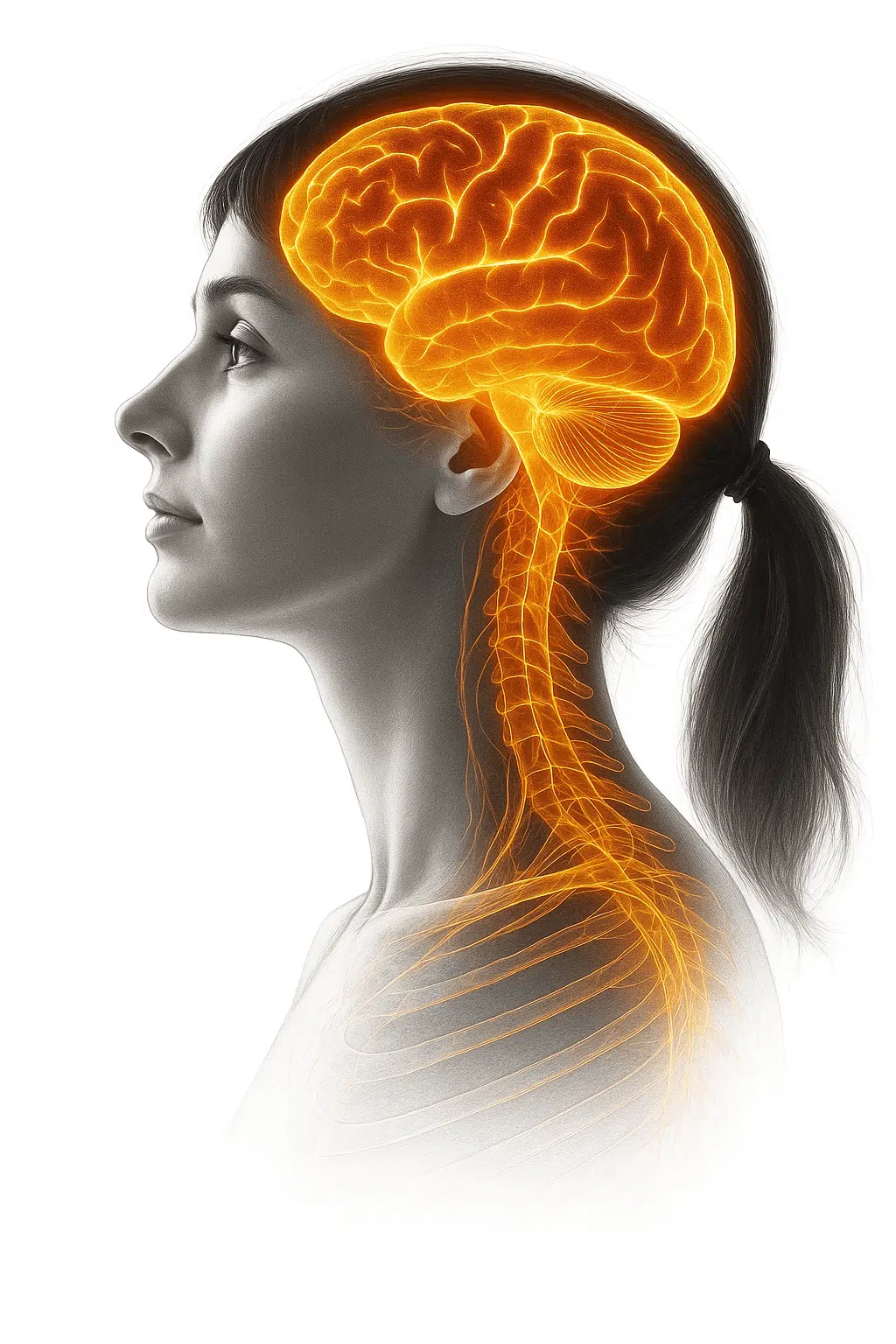
Cognitive decline involves tau protein aggregation and oxidative stress that damage neurons. Shilajit shows potential for supporting brain health, primarily through preclinical studies on its fulvic acid component.
Shilajit’s fulvic acid inhibits tau protein aggregation (in vitro). Lab studies showed that fulvic acid blocked tau aggregation and promoted disassembly of tau fibrils, mechanisms relevant to Alzheimer’s disease (Cornejo et al., 2011; Carrasco-Gallardo et al., 2012).
Shilajit fractions promote neuronal growth and reduce tau aggregation (preclinical). In cell models, Andean shilajit fractions increased neuronal growth and inhibited tau aggregation by up to 76%, suggesting neuroprotective potential (Andrade et al., 2023).
Fulvic acid, a key component of shilajit, provides antioxidant effects in preclinical studies that may support brain health. Reviews suggest fulvic acid’s redox-balancing properties may protect neurons from oxidative stress, though human evidence is lacking (Carrasco-Gallardo et al., 2012; Meena et al., 2018).
These preclinical findings suggest shilajit may support cognitive health through antioxidant and anti-tau mechanisms, but large, placebo-controlled human trials are needed to confirm these effects.
May Have Anti-Inflammatory and Pain-Relieving Effects
Inflammation and pain can impair quality of life and tissue health. Shilajit shows potential for reducing inflammation and pain, with evidence from preclinical studies in animals and lab models.
Shilajit reduces inflammation in rats (preclinical). Studies showed that shilajit decreased swelling and inflammatory responses in models of acute and chronic inflammation (Ghosal et al., 1991).
Shilajit relieves pain in mice (preclinical). In mice, shilajit reduced pain responses in thermal tests and attenuated morphine tolerance, suggesting pain-modulating properties (Ghosal et al., 1993).
Shilajit’s fulvic acid supports anti-inflammatory effects (preclinical). Research on fulvic acid, a key shilajit component, indicates anti-inflammatory activity in animal models, though not specific to shilajit (van Rensburg et al., 2002).
These preclinical findings suggest shilajit may reduce inflammation and pain, but large, placebo-controlled human trials are needed to confirm these effects.
May Aid Digestive Health and Ulcer Recovery
Gastric ulcers and digestive issues involve acid damage, oxidative stress, and weakened mucosal barriers. Shilajit shows potential for supporting digestive health and ulcer recovery, based on preclinical studies and traditional use.
Shilajit protects against gastric ulcers in rats (preclinical). Studies showed that shilajit reduced ulcer severity and strengthened the stomach’s mucus barrier in rat models (Goel et al., 1990).
Shilajit reduces aspirin-induced stomach damage in rats (preclinical). In rats, shilajit lessened gastric damage from aspirin, improved stomach pH, and balanced oxidative stress markers (Ghosal et al., 1992).
Shilajit promotes ulcer healing in an acetic acid-induced ulcer model in rats (preclinical). In rats, shilajit (as Mumijo) enhanced ulcer healing and improved stomach tissue health (Frolova et al., 2011).
These preclinical findings align with Ayurveda’s long-standing use of shilajit for digestive complaints, suggesting it may support digestive health and ulcer recovery. However, placebo-controlled human trials are needed to confirm these benefits.
May Help with Chronic Fatigue Syndrome
Chronic fatigue syndrome (CFS) involves persistent fatigue, stress dysregulation, and impaired cellular energy. Shilajit shows potential for supporting CFS symptoms, based on preclinical studies in animal models.
Shilajit improves fatigue and stress responses in rats (preclinical). In a stress-induced CFS model, shilajit reduced immobility and anxiety-like behaviors, normalized stress hormone levels and adrenal function, and preserved brain mitochondrial energy production (Surapaneni et al., 2012).
Shilajit supports adaptogenic properties in preclinical models. Reviews suggest shilajit’s antioxidant and mitochondrial effects may enhance energy and stress resilience, though not specific to CFS (Stohs et al., 2014).
These findings, consistent with Ayurveda’s long-standing use of shilajit as a revitalizer, suggest it may help with CFS symptoms. However, placebo-controlled human trials in CFS patients are needed to confirm these effects.
May Support Stress Management and Adaptogenic Effects
Stress management involves regulating the body’s response to physical and mental stressors. Shilajit shows potential as an adaptogen, supporting stress resilience, based on preclinical and mechanistic studies.
Shilajit enhances energy under stress in mice (preclinical). In a forced-swim stress model, shilajit improved energy status and ATP recovery in brain, muscle, and blood, indicating better stress tolerance (Bhattacharyya et al., 2009).
Shilajit stabilizes stress responses in rats (preclinical). In a chronic stress model, shilajit normalized stress hormone levels and adrenal function, supporting stress-axis regulation (Surapaneni et al., 2012).
Shilajit aligns with adaptogenic mechanisms in preclinical studies. Reviews suggest shilajit’s effects on stress hormones and mitochondrial function may promote non-specific stress resistance, consistent with Ayurveda’s long-standing use as an adaptogen (Panossian & Wikman, 2010; Liao et al., 2018).
These findings, consistent with Ayurveda’s long-standing use of shilajit as an adaptogen, suggest it may support stress management. However, robust, placebo-controlled human trials are needed to confirm effects on stress or anxiety.
May Provide Anti-Aging Effects

Aging involves oxidative stress, mitochondrial decline, and protein aggregation. Shilajit shows potential for supporting anti-aging processes, based on preclinical and mechanistic studies.
Fulvic acid reduces oxidative stress in cell models (preclinical). Studies suggest fulvic acid, a key shilajit component, balances cellular oxidative status, a pathway relevant to aging (Carrasco-Gallardo et al., 2012; Meena et al., 2018).
Fulvic acid prevents tau protein tangles in lab studies (preclinical). Lab models showed fulvic acid prevented the buildup of tau protein tangles and may help break them apart, mechanisms linked to age-related neurodegeneration (Cornejo et al., 2011).
Shilajit may influence pathways for mitochondrial health (preclinical). A mechanistic review suggests shilajit may influence the pathways that keep mitochondria healthy and support energy as we age, though human aging outcomes are untested (Vishwakarma et al., 2017).
These findings, consistent with Ayurveda’s long-standing use of shilajit for vitality, suggest it may support anti-aging processes. However, human trials are needed to confirm effects on aging or longevity.
May Support the Immune System
Healthy immunity requires balanced responses to infections and inflammation. Shilajit shows potential for supporting immune function, based on preclinical and mechanistic studies.
Shilajit enhances immune responses in mice (preclinical). Studies showed that shilajit (as mineral pitch) increased antibody production and immune cell activity in mice (Agarwal et al., 2009).
Fulvic acid supports immunomodulation in lab and animal models (preclinical). Research suggests fulvic acid, a shilajit component, modulates inflammation and immune pathways, though not specific to shilajit (van Rensburg et al., 2002; Meena et al., 2018).
Shilajit boosts vaccine-like antibody responses in poultry (preclinical). Studies showed shilajit improved immune responses to vaccine-like antigens in hens (Kozakiewicz et al., 2013).
Shilajit improves disease resistance in fish models (preclinical). In fish, shilajit enhanced antioxidant activity and survival against bacterial infection (Sharma et al., 2016).
These findings, consistent with Ayurveda’s long-standing use of shilajit for immune support, suggest it may enhance immune function. However, robust, placebo-controlled human trials are needed to confirm these effects.
May Have Antiviral Properties
Viruses replicate by attaching to and entering host cells. Shilajit shows potential for antiviral effects, based on preclinical in vitro studies.
Shilajit inhibits herpes and respiratory viruses in cell cultures (preclinical). Studies showed purified shilajit reduced infectivity of HSV-1, HSV-2, HCMV, and RSV in vitro, likely by blocking viral attachment and entry (Cagno et al., 2015).
Fulvic acid supports broad antiviral activity in lab models (preclinical). Research on fulvic acid and humic substances indicates inhibition of HIV, HSV, influenza, CMV, and RSV through extracellular blocking of viral attachment (Cagno et al., 2020).
These findings, consistent with Ayurveda’s long-standing use of shilajit for vitality, suggest it may interfere with viral replication. However, these results are limited to lab studies. Placebo-controlled human trials are needed to confirm antiviral benefits.
May Have Antimicrobial Properties
Bacteria and fungi cause infections by multiplying in the body. Shilajit shows potential for antimicrobial effects, based on preclinical in vitro studies.
Shilajit inhibits bacteria and fungi in lab assays (preclinical). Studies reported shilajit extracts inhibited growth of Staphylococcus aureus, Escherichia coli, Shigella, Salmonella, and Candida albicans, with stronger effects against Candida (Al-Snafi, 2012; Kumar et al., 2022).
Shilajit’s activity depends on processing in lab studies (preclinical). Processed forms of shilajit showed stronger antibacterial effects than raw samples, highlighting the importance of preparation quality (Goel et al., 1990).
Shilajit’s constituents contribute to antimicrobial effects (mechanistic). LC/MS analysis identifies fulvic acid, gallic acid, and other bioactives in shilajit linked to antibacterial and antifungal properties (Kumar et al., 2022).
These findings, consistent with Ayurveda’s long-standing use of shilajit for vitality, suggest it may support antimicrobial activity. However, placebo-controlled human trials are needed to confirm these effects.
May Support Iron Levels and Help with Anemia
Iron-deficiency anemia reduces hemoglobin and red blood cell counts, impairing oxygen transport. Shilajit shows potential for supporting blood health in anemia, based on limited preclinical and human studies.
Shilajit improves blood parameters in a small human study (observational). A small, non-blinded study reported shilajit increased hemoglobin, hematocrit, and red blood cell counts in anemia patients, though the evidence is weak due to limited methods (Sharma et al., 2010).
Shilajit supports safety with proper purification in rats (preclinical). Studies confirm processed shilajit’s tolerability in rats, though unpurified products may contain heavy metals, emphasizing the need for quality control (Velmurugan et al., 2012; Meena et al., 2010).
These findings, consistent with Ayurveda’s long-standing use of shilajit for vitality, suggest it may support blood health in anemia. However, these results are limited to a small, low-quality study and animal data. Robust, placebo-controlled human trials are needed, and shilajit should not be used to self-treat anemia without medical guidance.
May Have Anticancer Potential

Anticancer potential refers to lab effects like reduced cancer cell growth or increased cell death. Shilajit shows potential for anticancer activity, based on preclinical studies in cell and animal models.
Shilajit suppresses bladder cancer cell growth in cell cultures (preclinical study). Studies showed shilajit (as Mumio) reduced migration and triggered cell death in bladder cancer cells compared to normal cells (Kloskowski et al., 2021).
Shilajit inhibits hepatic cancer cell growth in lab models (preclinical study). Studies showed shilajit (as mineral pitch) induced cell death and slowed growth in hepatic cancer cells by modulating reactive oxygen species (Pant et al., 2016).
Shilajit inhibits breast and lung cancer cell growth in lab models (preclinical study). Studies reported shilajit slowed growth of breast and lung cancer cells in vitro, though high doses were needed (Fareed et al., 2019).
Shilajit inhibits breast cancer cell progression in lab models (preclinical study). Studies showed shilajit (as Mumio) triggered cell death and reduced cell migration in breast cancer cells (Rahmani Barouji et al., 2020).
Shilajit reduces tumor growth in animal models (preclinical study). Studies showed shilajit decreased tumor growth and increased cell death in mice with Ehrlich ascites carcinoma (Kamgar et al., 2023).
These findings, consistent with Ayurveda’s long-standing use of shilajit for vitality, suggest it may have anticancer potential. However, these results are limited to lab and animal studies. Human trials are needed, and shilajit should not replace standard cancer treatments.
May Help with Altitude Sickness
High altitudes can cause hypoxia (low oxygen), fatigue, insomnia, and other discomforts. Shilajit has been traditionally used in Ayurveda as a remedy for high-altitude problems, though scientific evidence is mostly theoretical or preclinical.
Shilajit may support oxygen use in the body (traditional + mechanistic). An Ayurveda review described shilajit’s traditional use for altitude issues, including hypoxia, fatigue, and insomnia. The authors suggested fulvic acid and minerals in shilajit may improve blood oxygen-carrying capacity and circulation, which could help the body adapt to low-oxygen conditions (Agarwal et al., 2010).
Shilajit may help reduce fatigue under hypoxic stress (preclinical). In rat models of chronic fatigue, shilajit improved mitochondrial function and reduced fatigue-related behaviors, suggesting a mechanism that may be relevant to energy loss at high altitudes (Surapaneni et al., 2012).
These findings, consistent with Ayurveda’s long-standing use of shilajit for vitality, suggest it may help with altitude sickness. However, there are no placebo-controlled human trials. People traveling to high altitudes should not rely on shilajit alone and should follow established medical advice for acclimatization and altitude safety.
Common Questions About Shilajit Benefits
How long does it take to benefit from shilajit?
Most users report noticeable effects such as improved energy or stamina within 2–4 weeks of consistent use.
Is it beneficial to take shilajit in the morning?
Taking shilajit in the morning is common, as it may support daytime energy and focus.
Is it beneficial to take shilajit at night?
Shilajit can be taken at night, where it may support relaxation and stress balance, but morning use remains more typical.
Are there any benefits of taking shilajit on an empty stomach?
Shilajit is usually taken on an empty stomach to improve absorption.
Is it beneficial to take shilajit in the summer?
Shilajit can support stamina year-round, but it is traditionally used in colder seasons for added vitality.
Can shilajit help during physical training or workouts?
Shilajit has been studied for supporting muscle recovery, strength, and endurance during training.
Does shilajit help with nutrient absorption?
The fulvic acid in shilajit may enhance the absorption of minerals and nutrients.
Is there a seasonal benefit to taking shilajit in colder climates?
Traditionally, shilajit is valued in colder climates for supporting warmth and vitality.
Can shilajit support recovery after illness?
In Ayurvedic medicine, shilajit has traditionally been used as a “rasayana,” or rejuvenator, to help the body regain strength and vitality after sickness. While this reflects its historical use, modern clinical evidence for post-illness recovery is limited.
Does shilajit help with hydration or electrolyte balance?
Shilajit contains trace minerals that may support hydration and energy metabolism.
Side Effects of Consuming Shilajit
Most clinical studies report that purified shilajit is generally well tolerated at typical supplemental doses (e.g., 250–500 mg/day), though the overall human evidence base is still small. Mild issues are the most commonly described.
Common, usually mild
GI upset (nausea, diarrhea), headache, dizziness, or sore throat have been reported with shilajit/fulvic-acid products.Hormonal effects
Shilajit can raise testosterone in some trials; in people sensitive to hormonal shifts (especially women), clinicians caution about possible acne, hair shedding, or menstrual irregularity.Allergic reactions
As with any supplement, allergy is possible; discontinue and seek care if you experience rash, swelling, or breathing difficulty.Rare/serious signals (case reports)
A single case report links shilajit use to pseudohyperaldosteronism (high blood pressure, low potassium). Causality is uncertain but warrants caution.Contamination risks (the biggest practical safety issue)
Because shilajit is a natural resin, raw or poorly processed products may contain heavy metals or microbes. Reviews and consumer guidance flag arsenic, lead, mercury, cadmium, and thallium as potential contaminants. A 2024–2025 evidence review and a 2025 analysis highlighted heavy-metal findings (including thallium in some supplements), underscoring the need for high-quality, third-party-tested products.Drug/condition cautions
Because shilajit may affect blood pressure, blood sugar, and coagulation, use extra caution (and medical supervision) if you take antihypertensives, diabetes medicines, or blood thinners, or if you have heart, liver, or kidney disease. People with hemochromatosis (iron overload) should avoid it. Pregnant or breastfeeding individuals and children should not use shilajit due to insufficient safety data.Bottom line: Purified, third-party-tested shilajit appears tolerable for most adults in short studies, but product quality varies and contamination is the leading concern. If you choose to use it, select a COA-verified brand and talk to your clinician, especially if you have medical conditions or take prescription medications.
Safety Concerns of Consuming Shilajit
While purified shilajit appears tolerable in short clinical studies, several important safety concerns should be considered before use.
-
Product quality and contamination
Raw shilajit is not safe for human use. Unprocessed resin can contain heavy metals (lead, mercury, cadmium, arsenic, thallium), mycotoxins, or microbial contamination. Independent testing has repeatedly identified contamination in some commercial supplements. Choosing products that are purified, standardized, and third-party tested (Certificate of Analysis) is essential. -
Dosing and unknown long-term effects
Most clinical trials have used 250–500 mg/day of purified shilajit for up to 12–16 weeks. There is little data on higher doses or long-term use beyond a few months, so safety over extended periods remains uncertain. -
Sensitive populations
Shilajit should not be used by:- Pregnant or breastfeeding women (no safety data)
- Children (no clinical studies)
- Individuals with hemochromatosis or other iron-overload disorders (shilajit may increase iron absorption)
- Patients with serious heart, kidney, or liver disease, unless supervised by a clinician
-
Drug interactions
Because shilajit may affect blood pressure, blood sugar, and coagulation, caution is warranted if you take:- Diabetes medications (risk of low blood sugar)
- Antihypertensives (additive blood pressure lowering)
- Blood thinners like warfarin (theoretical interaction with coagulation)
-
Regulatory status
Shilajit is sold as a dietary supplement in most countries, meaning it is not regulated as a drug and does not require proof of safety or efficacy before marketing. This makes brand choice particularly important.
Bottom line: The main safety risks of shilajit stem from product quality (contamination) and lack of long-term human data. If you choose to use it, look for a purified, third-party-tested product and consult a healthcare professional, especially if you have medical conditions or take prescription drugs.

- $45 - Free USA Shipping
- $89 - Free International Shipping